


Maximize Cadillac EV Range in Winter | Connecticut Tips
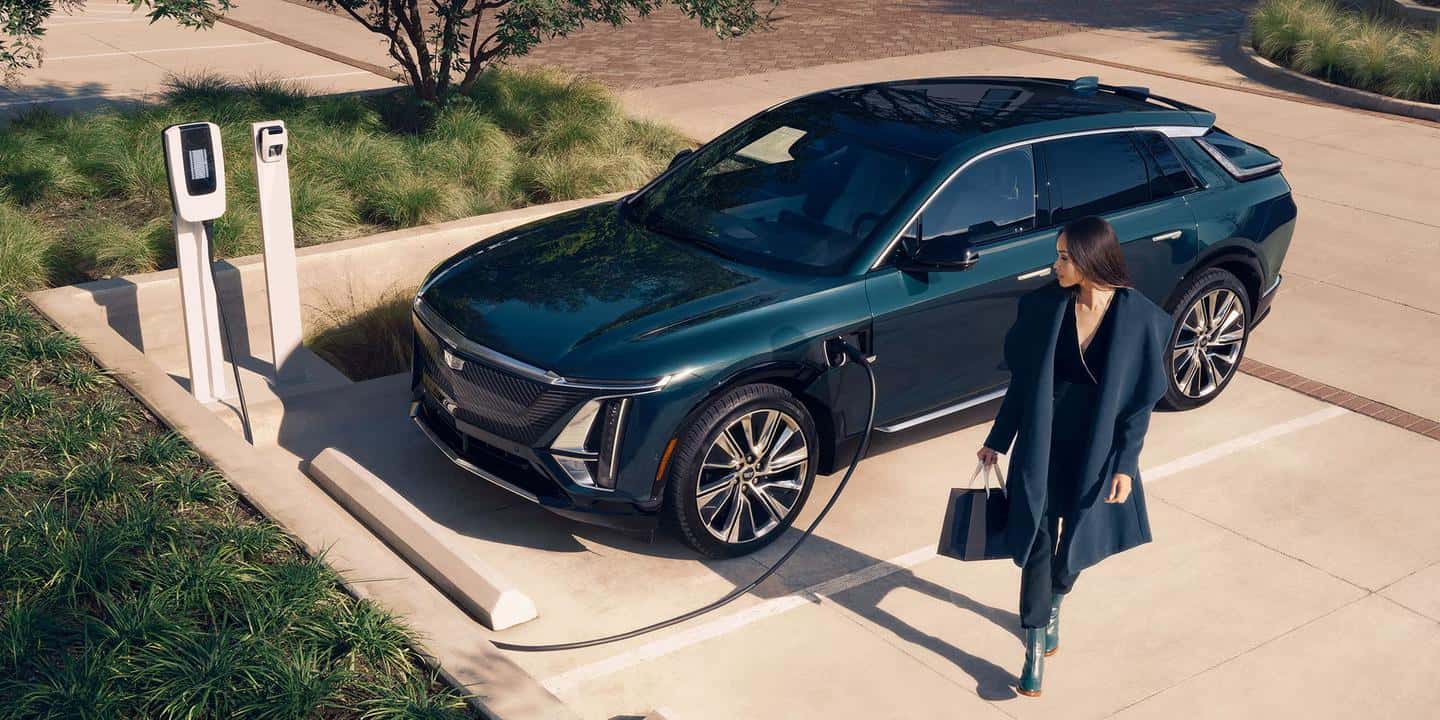
As October arrives in Connecticut and temperatures begin their descent toward winter, electric Cadillac owners often notice changes in their vehicle’s range estimates. This is completely normal—cold weather affects all electric vehicles, including premium models like the Cadillac Lyriq, Escalade IQ, Optiq, and LYRIQ-V. At Blasius Cadillac, we want you to understand why these changes occur and, more importantly, how to maximize your EV’s range throughout Connecticut’s challenging winter months.
Understanding Cold Weather’s Impact on EV Range
The Science Behind Range Reduction
Lithium-ion batteries—the power source in all electric Cadillacs—operate less efficiently in cold temperatures. Chemical reactions inside the battery slow down when cold, reducing both the energy available for driving and the battery’s ability to accept charge quickly. This isn’t a defect; it’s fundamental chemistry that affects every electric vehicle regardless of manufacturer.
Additionally, cold weather increases energy demands for cabin heating, battery thermal management, and other vehicle systems. Unlike gasoline vehicles that use waste heat from the engine for cabin warmth, electric vehicles must generate heat using battery energy, which directly impacts driving range.
Realistic Expectations for Winter Range
Most electric vehicle owners experience range reductions of 20-40% during cold weather, depending on temperatures, driving conditions, and heating usage. For a Cadillac Lyriq with an EPA-estimated 314-mile range, winter driving might yield 190-250 miles of practical range. The Escalade IQ’s impressive 465-mile rating might translate to 280-370 miles in harsh winter conditions.
Understanding these realities helps you plan trips appropriately and avoid range anxiety. More importantly, implementing the strategies below can significantly minimize range loss and keep your Cadillac EV performing optimally through Connecticut’s winter.
Pre-Conditioning: Your Most Powerful Range Tool
What Is Pre-Conditioning?
Pre-conditioning warms your Cadillac’s battery and cabin while the vehicle is still connected to a charger, using grid electricity rather than battery energy. This single technique provides the most significant range preservation benefit available to EV owners during cold weather.
When you pre-condition before departing, you begin your drive with a warm battery operating at peak efficiency and a comfortable cabin requiring minimal additional heating. The energy used for warming comes from the charging station rather than your battery’s stored range.
How to Pre-Condition Your Cadillac EV
All electric Cadillacs offer pre-conditioning through the MyCadillac mobile app. Simply schedule your departure time, and the vehicle will automatically warm itself in the most efficient sequence—typically starting with the battery, then moving to cabin heating.
For maximum benefit, keep your Cadillac plugged in overnight and schedule pre-conditioning to complete just before you depart. Even if you’ve already reached full charge, leaving the vehicle connected allows it to draw warming energy from the grid rather than depleting battery capacity.
Pre-Conditioning Best Practices
Schedule pre-conditioning for 20-30 minutes before departure in moderately cold weather (25-40°F), or up to 45 minutes when temperatures drop below 20°F. This gives the system adequate time to warm the battery to optimal operating temperature and heat the cabin to comfort levels.
If you have multiple trips throughout the day, pre-condition before each departure when possible, especially if the vehicle has been sitting in cold conditions. Each pre-conditioning session helps maintain battery temperature and cabin comfort without draining your range.
Optimizing Cabin Heating for Range
Heated Seats and Steering Wheel First
Here’s an efficiency secret many EV owners overlook: heating surfaces that directly contact your body requires far less energy than heating the entire cabin air volume. Your Cadillac’s heated seats, heated steering wheel, and heated armrests warm you directly using minimal electricity.
Start with heated seats set to maximum and the heated steering wheel activated, while keeping cabin temperature several degrees cooler than you might in a gasoline vehicle. You’ll likely find this combination provides equal comfort while consuming significantly less battery energy.
Strategic Climate Control Settings
When you do need cabin heating, use the climate control strategically. Set the temperature to the minimum comfortable level rather than maximum—even a few degrees difference substantially impacts energy consumption. Consider using recirculation mode to retain warm air rather than continuously heating fresh outside air.
Your Cadillac’s tri-zone or quad-zone climate control allows you to heat only occupied areas. If you’re driving solo, disable heating for rear zones to conserve energy. When carrying passengers, adjust individual zones to their preferences rather than overheating the entire cabin.
Resist the Temptation to “Pre-Heat”
If you haven’t pre-conditioned via the app while plugged in, resist the urge to immediately blast heat to maximum when you start driving. Instead, dress appropriately, use heated surfaces first, and allow cabin temperature to rise gradually. This approach consumes less energy than attempting to heat the cabin rapidly.
Smart Charging Strategies for Cold Weather
Charge Immediately After Driving
When you return from a drive, your battery is already warm from operation. This is the ideal time to charge, as warm batteries accept charge more efficiently and quickly than cold ones. If you wait several hours before plugging in, the battery cools down and charging becomes less efficient.
Program your charging schedule to begin immediately upon plugging in when returning from trips, especially during winter months. Your Cadillac’s charging system will automatically manage charge rates to protect battery health while taking advantage of thermal conditions.
Maintain Higher State of Charge
During winter, consider maintaining your battery at a higher state of charge than you might in warmer weather. While 20-80% charging is often recommended for battery longevity, winter driving might warrant keeping charge levels between 30-90% to ensure adequate range for unexpected circumstances.
Cold batteries can’t deliver their full capacity, so starting with a higher charge level provides a buffer against range reduction. Additionally, maintaining charge above 30% helps ensure you have adequate energy for cabin heating and other comfort features.
Level 2 Charging at Home
If you charge at home, Level 2 charging provides significant advantages during winter. The Cadillac Lyriq’s standard 11.5 kW charging (or 19.2 kW on LYRIQ-V and premium trims) delivers ample power to both charge the battery and maintain warm temperatures when pre-conditioning.
Level 1 charging (standard 120V outlet) may struggle to provide enough power for both battery warming and charging simultaneously. If you currently use Level 1 charging, consider upgrading to Level 2 for winter months to ensure optimal charging performance and pre-conditioning capability.
Driving Techniques That Preserve Range
Smooth Acceleration and Deceleration
Aggressive acceleration consumes more energy regardless of temperature, but this effect intensifies in cold weather when battery efficiency is already reduced. Practice smooth, gradual acceleration to minimize energy consumption and maximize range.
Similarly, maximize regenerative braking by anticipating stops and coasting to deceleration whenever possible. Your Cadillac’s Regen On Demand paddle (on Lyriq and LYRIQ-V) provides excellent control, allowing you to recapture energy that would otherwise be lost to friction braking.
Moderate Speed on Highways
Highway driving at high speeds significantly impacts range due to aerodynamic drag—an effect that compounds in cold weather. Reducing highway speed from 75 mph to 65 mph can improve range by 10-15%, a substantial gain when winter conditions have already reduced available miles.
Your Cadillac’s Super Cruise hands-free driving technology (available on most electric Cadillacs) can help maintain efficient speeds on compatible highways, reducing the temptation to speed while providing a relaxed driving experience.
Route Planning for Efficiency
When temperatures drop, plan routes that minimize energy consumption. Highways are generally more efficient than stop-and-go city driving despite higher speeds, as constant acceleration from stops consumes considerable energy. However, if highway speeds will be very high, surface roads driven at moderate speeds may prove more efficient.
Your Cadillac’s navigation system can help identify routes that optimize energy efficiency, considering factors like elevation changes, traffic conditions, and charging station locations.
Tire Pressure and Winter Tires
Monitor Tire Pressure Weekly
Tire pressure drops approximately 1 PSI for every 10°F temperature decrease. Underinflated tires increase rolling resistance, which directly reduces range. Throughout winter, check tire pressure weekly and maintain manufacturer-recommended levels.
Your Cadillac’s tire pressure monitoring system will alert you to significant pressure loss, but maintaining optimal pressure requires proactive monitoring rather than waiting for warning lights. Proper inflation not only improves range but also enhances safety and tire longevity.
Consider Winter Tire Trade-Offs
Winter tires provide superior traction in cold, snowy, and icy conditions—crucial for Connecticut winters. However, winter tires typically increase rolling resistance compared to all-season tires, reducing range by 5-10%.
This is a worthwhile trade-off for safety, especially given Connecticut’s winter weather. The improved traction allows more confident driving in conditions where you’d otherwise need to accelerate more aggressively (consuming more energy) to maintain control. Overall, winter tires enhance safety while having modest range impact.
Parking and Storage Considerations
Garage Parking When Possible
Parking in a garage—even an unheated one—significantly reduces cold-soak effects on your battery. Garage temperatures typically remain 10-20°F warmer than outdoor ambient temperatures, helping batteries retain heat and operate more efficiently.
If garage parking isn’t available, seek sheltered parking locations that provide some protection from wind and weather. Even parking on the south side of buildings where sunlight can warm the vehicle provides modest benefits.
Keep It Plugged In
Whenever possible, keep your electric Cadillac plugged in during cold weather, even when fully charged. This allows the battery thermal management system to maintain optimal temperature using grid power rather than stored battery energy.
Many electric Cadillacs will automatically manage battery temperature when plugged in, occasionally cycling heating elements to prevent excessive cold-soak. This uses minimal grid electricity but preserves battery capacity that would otherwise be consumed warming a cold battery before driving.
Understanding Your Cadillac’s Winter-Specific Features
Battery Thermal Management
All electric Cadillacs feature sophisticated battery thermal management systems that warm and cool the battery pack as needed. In winter, these systems work harder to maintain optimal operating temperature, consuming some battery energy but ensuring performance and longevity.
You may notice the battery management system running even when the vehicle is parked, indicated by various dash indicators or app notifications. This is normal operation, protecting your battery’s health and ensuring optimal performance when you drive.
Range Estimation Accuracy
Your Cadillac’s range estimate accounts for recent driving conditions and climate control usage. In winter, you may notice range estimates that seem pessimistic—this is the system accounting for the energy needed to maintain cabin comfort and battery temperature based on your recent usage patterns.
These estimates typically prove quite accurate for similar driving conditions. If you reduce climate control usage or drive more efficiently, you’ll likely exceed the estimated range. Conversely, aggressive driving or maximum heating can result in lower real-world range than estimated.
Charging Network Strategies for Winter Trips
Plan DC Fast Charging Stops
When planning longer trips requiring DC fast charging, understand that cold batteries charge more slowly than warm ones. Your Cadillac will pre-warm the battery when you navigate to a charging station, but very cold conditions may still result in reduced charging speeds initially.
Consider planning slightly longer charging stops or building extra time into winter trip schedules to account for potentially slower charging. Most charging sessions will warm the battery sufficiently to reach normal charging speeds within 10-15 minutes.
Utilize Cadillac’s Charging Network Access
Electric Cadillacs provide access to multiple charging networks, including 23,500+ Tesla Superchargers via NACS adapter. This extensive network ensures you’re never far from charging options during winter travel throughout Connecticut and beyond.
The MyCadillac app displays real-time charging station availability and status, helping you avoid occupied chargers or equipment issues during winter trips when delays become more problematic.
Emergency Preparedness for Winter EV Driving
Maintain Emergency Supplies
While electric Cadillacs offer excellent reliability, winter weather creates unpredictable conditions that warrant emergency preparation. Keep blankets, flashlights, first aid supplies, water, and non-perishable food in your vehicle throughout winter months.
Unlike gasoline vehicles, your Cadillac can run climate control without engine operation, providing heat during unexpected delays with minimal battery drain—typically 1-2 kW per hour for moderate cabin heating, allowing many hours of emergency heat from a partially charged battery.
Monitor Charge Levels Proactively
Never let your charge level drop below 20% during winter driving, providing buffer for unexpected detours, traffic delays, or emergency situations. This is especially important when traveling in rural areas where charging infrastructure may be less dense.
Professional Service for Winter Readiness
Before winter’s full arrival, schedule a comprehensive vehicle inspection at Blasius Cadillac. Our certified technicians will verify your battery system is operating optimally, inspect charging components, test cabin heating performance, and ensure all winter-critical systems are ready for Connecticut’s challenging conditions.
We can also provide personalized recommendations based on your specific Cadillac model, charging setup, and typical driving patterns. Whether you drive a Lyriq, Escalade IQ, Optiq, or LYRIQ-V, our team understands the unique characteristics of each model and can help optimize your winter driving experience.
Your Electric Cadillac, Winter-Ready
Cold weather does affect electric vehicle range—that’s simply physics. However, understanding these effects and implementing the strategies above allows you to minimize range loss and drive confidently throughout Connecticut’s winter. Pre-conditioning, smart heating usage, optimal charging practices, and efficient driving techniques combine to preserve range and maintain the luxury experience you expect from your Cadillac.
The slight extra attention required for winter EV driving quickly becomes second nature, and the benefits of electric driving—instant torque, whisper-quiet operation, minimal maintenance, and lower operating costs—remain compelling regardless of temperature.
Visit Blasius Cadillac at 90 Scott Rd, Waterbury, CT 06705, or call (203) 701-6692 to discuss winter preparation for your electric Cadillac. Our team can answer questions, provide model-specific recommendations, and ensure your EV is ready to deliver exceptional performance throughout the colder months ahead.
Schedule Your Winter EV Service
Maximize your Cadillac EV’s range and performance this winter with expert guidance from Blasius Cadillac. From pre-conditioning strategies to charging optimization, our team helps ensure your electric luxury vehicle delivers the range, comfort, and reliability you expect year-round. Schedule your winter readiness consultation today.
0 comment(s) so far on Maximize Cadillac EV Range in Winter | Connecticut Tips